 Image 1 of 1
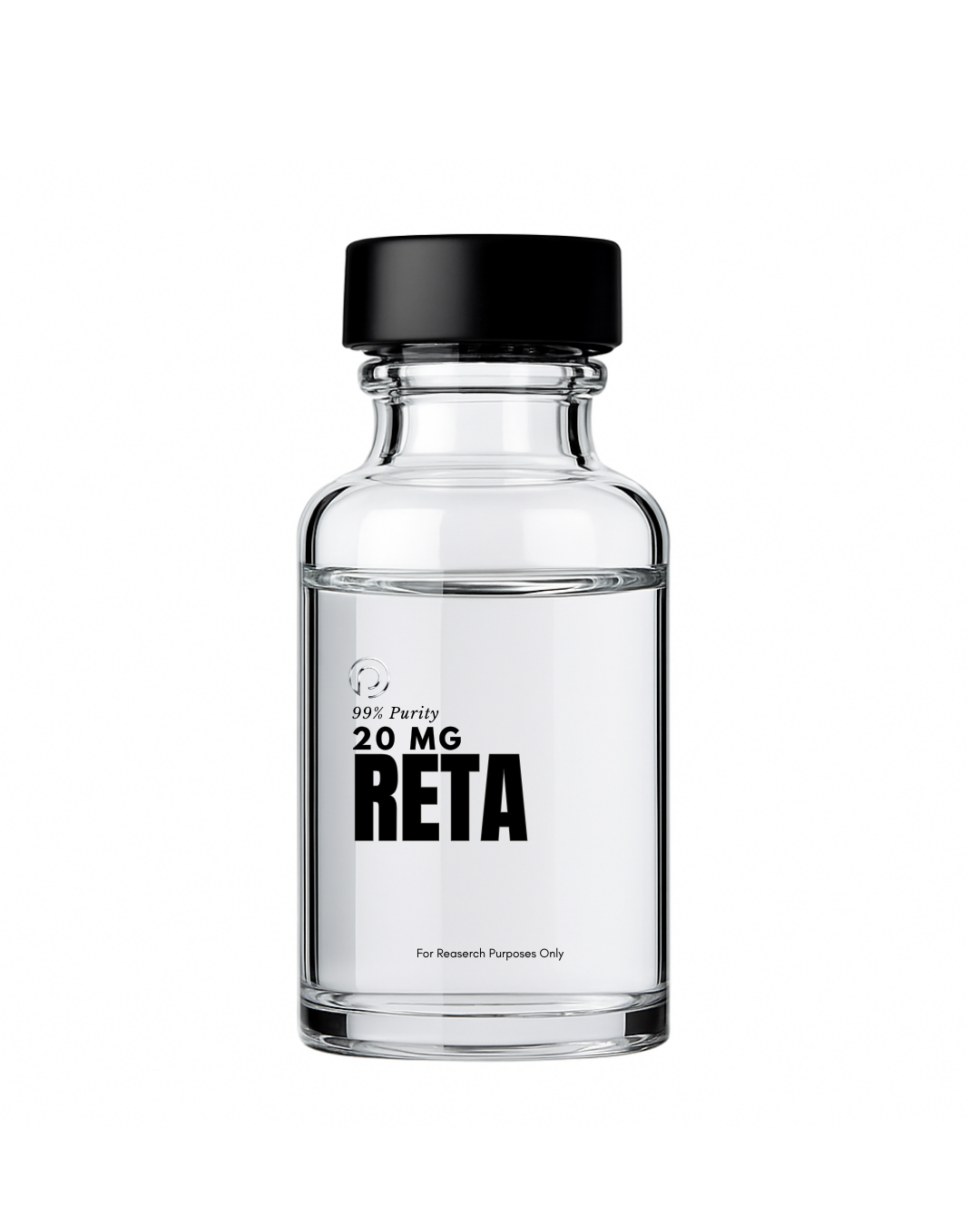
Reta 10 MG
RETA
Reta, formally known as Retatrutide, is an investigational multi-receptor agonist peps designed to target several hormonal pathways involved in metabolism, appetite regulation, and glucose control. It acts simultaneously on the GLP-1, GIP, and glucagon receptors—three key metabolic signaling systems. Because of this triple-action structure, Reta belongs to a class of advanced metabolic peps therapies aimed at producing more powerful effects than traditional single-pathway medications.
Reta is typically administered through subcutaneous injection, similar to other GLP-1–based peps medications.
How Reta Works
Reta’s multi-agonist peps structure allows it to influence several physiological systems at the same time:
1. GLP-1 Receptor Activation
Reduces appetite and food intake
Slows gastric emptying, increasing fullness
Enhances insulin secretion in response to meals
2. GIP Receptor Activation
Supports additional insulin release
Improves metabolic flexibility
Works synergistically with GLP-1 pathways to improve blood glucose control
3. Glucagon Receptor Activation
Increases energy expenditure
Enhances fat oxidation
Contributes to weight reduction when combined with GLP-1 and GIP modulation
When these mechanisms operate together, the result is a more comprehensive metabolic response compared to single-receptor peps medications.
Benefits of Reta
1. Significant Weight Reduction
Clinical trials have shown that Reta may lead to substantial weight loss, potentially exceeding what has been observed with earlier GLP-1–based peps treatments.
Major contributing effects include:
Suppressed hunger signals
Prolonged satiety
Increased calorie burn
Improved insulin sensitivity
2. Improved Blood Sugar Control
Reta’s triple-pathway peps activity is designed to:
Lower fasting glucose
Reduce post-meal glucose spikes
Increase insulin secretion only when needed
Lower A1C levels over time
3. Enhanced Metabolic Health
Potential improvements include:
Lower liver fat (helpful for NAFLD/NASH)
Reduced inflammation markers
Improved lipid profiles
Better cardiometabolic risk factors overall
4. Possibility of Treating Multiple Conditions
Because of its broad metabolic effects, Reta may eventually become useful for individuals with:
Obesity
Type 2 diabetes
Pre-diabetes
Metabolic syndrome
Fatty liver disease
Although research is ongoing, the multi-agonist peps framework suggests wide therapeutic potential.
Medical Uses of Reta (Current and Investigational)
1. Obesity Treatment
Reta is primarily being studied as a high-potency anti-obesity peps medication. It may help individuals who:
Have a BMI over clinical thresholds
Have obesity-related conditions (hypertension, high cholesterol, sleep apnea)
Have not responded well to lifestyle changes alone
2. Type 2 Diabetes Management
Reta’s GLP-1 and GIP peps signaling pathways are designed to improve glycemic control and reduce the need for other diabetes medications.
3. Cardiometabolic Protection (Investigational)
Reta’s glucagon-linked peps activity may improve:
Energy expenditure
Cardiovascular risk factors
Body composition (fat mass reduction, possible lean mass preservation)
4. Liver Health (Investigational)
Early data suggests potential benefits for fatty liver disease due to improvements in insulin resistance and fat metabolism.
Risks & Side Effects of Reta
Because Reta uses potent multi-agonist peps mechanisms, it may cause stronger effects—and therefore stronger side effects—than earlier GLP-1 medications.
Common Side Effects
These are similar to other GLP-1 and GIP peps treatments but may be more intense:
Nausea
Vomiting
Diarrhea or constipation
Abdominal discomfort
Reduced appetite (sometimes excessively)
Fatigue
Headache
Gastrointestinal symptoms are the most frequent, especially during dose escalation.
Moderate or Less Common Risks
1. Excessive Weight Loss
Some patients may lose weight too rapidly due to the strong metabolic peps activation. This may lead to:
Nutrient deficiencies
Gallbladder issues
Muscle loss if protein intake is inadequate
2. Gallbladder Problems
Rapid fat loss can increase the risk of:
Gallstones
Biliary colic
Cholecystitis
3. Hypoglycemia
Risk is low unless combined with insulin or sulfonylureas, but still possible.
4. Elevated Heart Rate
All GLP-1–related peps therapies may modestly elevate heart rate. Monitoring is recommended for people with cardiovascular concerns.
5. Gastrointestinal Slowing
Prolonged gastric emptying may worsen:
Gastroparesis
Reflux
Constipation
Severe or Rare Risks
1. Pancreatitis
A risk noted with similar GLP-1 peps medications, though rare. Symptoms include:
Severe abdominal pain
Nausea/vomiting
Hospitalization required
2. Thyroid Tumor Concerns (Rodent Data Only)
Rodent studies for many GLP-1 peps agents show increased C-cell tumors.
Human relevance remains uncertain.
Not recommended for individuals with a personal/family history of:
Medullary thyroid carcinoma
MEN2 syndrome
3. Allergic Reactions
As with any injectable peps product, reactions could include:
Rash
Swelling
Anaphylaxis (rare)
4. Malnutrition or Body Composition Issues
Because of its potency, Reta could cause:
Severe calorie restriction
Lean muscle loss
Electrolyte imbalance
Dehydration
Proper nutrition and monitoring are essential during therapy.
Who Should Avoid or Use Reta Cautiously
People with severe gastrointestinal disorders (e.g., gastroparesis)
Individuals with a history of pancreatitis
Those with known allergies to GLP-1/GIP/glucagon-based peps compounds
Anyone with a personal or family history of certain thyroid cancers
Patients on insulin or hypoglycemic drugs (require close monitoring)
Pregnant or breastfeeding individuals (insufficient safety data)
Summary
Reta is a potent investigational multi-agonist peps therapy designed to target multiple metabolic pathways simultaneously. Its benefits—especially significant weight loss and improved metabolic control—make it one of the most promising emerging obesity and diabetes treatments. However, its powerful peps-driven metabolic effects also increase the likelihood of gastrointestinal symptoms, rapid weight loss complications, and rare but serious risks such as pancreatitis or thyroid-related concerns.
It should only be used under medical supervision, especially as research continues.
RETA
Reta, formally known as Retatrutide, is an investigational multi-receptor agonist peps designed to target several hormonal pathways involved in metabolism, appetite regulation, and glucose control. It acts simultaneously on the GLP-1, GIP, and glucagon receptors—three key metabolic signaling systems. Because of this triple-action structure, Reta belongs to a class of advanced metabolic peps therapies aimed at producing more powerful effects than traditional single-pathway medications.
Reta is typically administered through subcutaneous injection, similar to other GLP-1–based peps medications.
How Reta Works
Reta’s multi-agonist peps structure allows it to influence several physiological systems at the same time:
1. GLP-1 Receptor Activation
Reduces appetite and food intake
Slows gastric emptying, increasing fullness
Enhances insulin secretion in response to meals
2. GIP Receptor Activation
Supports additional insulin release
Improves metabolic flexibility
Works synergistically with GLP-1 pathways to improve blood glucose control
3. Glucagon Receptor Activation
Increases energy expenditure
Enhances fat oxidation
Contributes to weight reduction when combined with GLP-1 and GIP modulation
When these mechanisms operate together, the result is a more comprehensive metabolic response compared to single-receptor peps medications.
Benefits of Reta
1. Significant Weight Reduction
Clinical trials have shown that Reta may lead to substantial weight loss, potentially exceeding what has been observed with earlier GLP-1–based peps treatments.
Major contributing effects include:
Suppressed hunger signals
Prolonged satiety
Increased calorie burn
Improved insulin sensitivity
2. Improved Blood Sugar Control
Reta’s triple-pathway peps activity is designed to:
Lower fasting glucose
Reduce post-meal glucose spikes
Increase insulin secretion only when needed
Lower A1C levels over time
3. Enhanced Metabolic Health
Potential improvements include:
Lower liver fat (helpful for NAFLD/NASH)
Reduced inflammation markers
Improved lipid profiles
Better cardiometabolic risk factors overall
4. Possibility of Treating Multiple Conditions
Because of its broad metabolic effects, Reta may eventually become useful for individuals with:
Obesity
Type 2 diabetes
Pre-diabetes
Metabolic syndrome
Fatty liver disease
Although research is ongoing, the multi-agonist peps framework suggests wide therapeutic potential.
Medical Uses of Reta (Current and Investigational)
1. Obesity Treatment
Reta is primarily being studied as a high-potency anti-obesity peps medication. It may help individuals who:
Have a BMI over clinical thresholds
Have obesity-related conditions (hypertension, high cholesterol, sleep apnea)
Have not responded well to lifestyle changes alone
2. Type 2 Diabetes Management
Reta’s GLP-1 and GIP peps signaling pathways are designed to improve glycemic control and reduce the need for other diabetes medications.
3. Cardiometabolic Protection (Investigational)
Reta’s glucagon-linked peps activity may improve:
Energy expenditure
Cardiovascular risk factors
Body composition (fat mass reduction, possible lean mass preservation)
4. Liver Health (Investigational)
Early data suggests potential benefits for fatty liver disease due to improvements in insulin resistance and fat metabolism.
Risks & Side Effects of Reta
Because Reta uses potent multi-agonist peps mechanisms, it may cause stronger effects—and therefore stronger side effects—than earlier GLP-1 medications.
Common Side Effects
These are similar to other GLP-1 and GIP peps treatments but may be more intense:
Nausea
Vomiting
Diarrhea or constipation
Abdominal discomfort
Reduced appetite (sometimes excessively)
Fatigue
Headache
Gastrointestinal symptoms are the most frequent, especially during dose escalation.
Moderate or Less Common Risks
1. Excessive Weight Loss
Some patients may lose weight too rapidly due to the strong metabolic peps activation. This may lead to:
Nutrient deficiencies
Gallbladder issues
Muscle loss if protein intake is inadequate
2. Gallbladder Problems
Rapid fat loss can increase the risk of:
Gallstones
Biliary colic
Cholecystitis
3. Hypoglycemia
Risk is low unless combined with insulin or sulfonylureas, but still possible.
4. Elevated Heart Rate
All GLP-1–related peps therapies may modestly elevate heart rate. Monitoring is recommended for people with cardiovascular concerns.
5. Gastrointestinal Slowing
Prolonged gastric emptying may worsen:
Gastroparesis
Reflux
Constipation
Severe or Rare Risks
1. Pancreatitis
A risk noted with similar GLP-1 peps medications, though rare. Symptoms include:
Severe abdominal pain
Nausea/vomiting
Hospitalization required
2. Thyroid Tumor Concerns (Rodent Data Only)
Rodent studies for many GLP-1 peps agents show increased C-cell tumors.
Human relevance remains uncertain.
Not recommended for individuals with a personal/family history of:
Medullary thyroid carcinoma
MEN2 syndrome
3. Allergic Reactions
As with any injectable peps product, reactions could include:
Rash
Swelling
Anaphylaxis (rare)
4. Malnutrition or Body Composition Issues
Because of its potency, Reta could cause:
Severe calorie restriction
Lean muscle loss
Electrolyte imbalance
Dehydration
Proper nutrition and monitoring are essential during therapy.
Who Should Avoid or Use Reta Cautiously
People with severe gastrointestinal disorders (e.g., gastroparesis)
Individuals with a history of pancreatitis
Those with known allergies to GLP-1/GIP/glucagon-based peps compounds
Anyone with a personal or family history of certain thyroid cancers
Patients on insulin or hypoglycemic drugs (require close monitoring)
Pregnant or breastfeeding individuals (insufficient safety data)
Summary
Reta is a potent investigational multi-agonist peps therapy designed to target multiple metabolic pathways simultaneously. Its benefits—especially significant weight loss and improved metabolic control—make it one of the most promising emerging obesity and diabetes treatments. However, its powerful peps-driven metabolic effects also increase the likelihood of gastrointestinal symptoms, rapid weight loss complications, and rare but serious risks such as pancreatitis or thyroid-related concerns.
It should only be used under medical supervision, especially as research continues.